Understanding Ghat Artisan Collaborations and Their Impact

When I first encountered the world of artisan partnerships, I was struck by the depth of tradition and skill involved. These collaborations are more than just business arrangements; they are bridges connecting sustainable fashion brands with the rich heritage of Indian craftsmanship. Today, I want to share insights into how ghat artisan collaborations are shaping the future of ethical fashion and why they matter so much.
The Essence of Ghat Artisan Collaborations
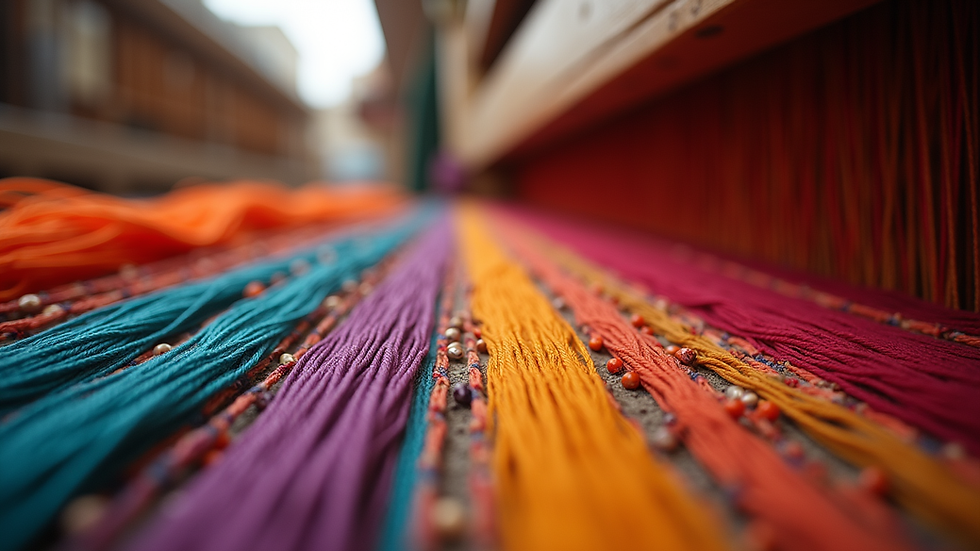
At its core, ghat artisan collaborations are about fostering meaningful relationships between designers and skilled artisans. These partnerships emphasize respect for traditional techniques while encouraging innovation. The artisans bring decades, sometimes centuries, of expertise in handloom weaving, natural dyeing, and embroidery. Meanwhile, designers contribute fresh ideas and market access.
This synergy creates products that are not only beautiful but also sustainable and ethically made. For example, a designer might work closely with a weaver in Rajasthan to develop a new fabric pattern that uses organic cotton and natural dyes. The result is a textile that tells a story of place, people, and purpose.
Such collaborations also ensure fair wages and working conditions for artisans, which is crucial in preserving these crafts for future generations. By valuing their skills and time, brands help maintain the cultural fabric of communities.
How Ghat Artisan Collaborations Benefit Sustainable Fashion
Sustainable fashion brands are increasingly seeking partners who align with their values. Ghat artisan collaborations offer several advantages:
Authenticity: Products made through these partnerships carry genuine cultural significance.
Quality: Handcrafted textiles often surpass mass-produced alternatives in durability and uniqueness.
Transparency: Direct collaboration allows brands to trace the origin of materials and production processes.
Environmental Impact: Artisans typically use eco-friendly methods, such as natural dyes and hand-spun yarns, reducing carbon footprints.
For instance, a brand focusing on slow fashion can collaborate with artisans who use age-old block printing techniques. This not only reduces waste but also creates limited-edition pieces that customers cherish.
Moreover, these collaborations encourage innovation within tradition. Artisans are open to experimenting with new designs and materials, which helps keep their crafts relevant in a modern market.

The Role of Ghat Handmade Artisan Partnerships in Empowering Communities
One of the most inspiring aspects of these collaborations is their social impact. The ghat handmade artisan partnerships model is designed to empower artisans economically and socially. By connecting them directly with brands, middlemen are eliminated, ensuring artisans receive fair compensation.
This empowerment leads to:
Economic independence: Artisans can support their families and invest in education.
Skill preservation: Younger generations are motivated to learn and continue traditional crafts.
Community development: Increased income often translates into better infrastructure and healthcare.
For example, in villages where weaving is a primary occupation, artisan partnerships have led to the establishment of cooperative societies. These societies provide training, resources, and collective bargaining power, strengthening the entire community.
Practical Tips for Building Successful Artisan Collaborations
If you are considering working with artisans, here are some actionable recommendations to ensure a fruitful partnership:
Start with respect and understanding: Learn about the artisan’s craft, culture, and challenges.
Communicate clearly: Set expectations regarding timelines, quality, and payment terms.
Be flexible and patient: Handcrafted work takes time and may require adjustments.
Invest in capacity building: Offer training or resources to help artisans improve skills or scale production.
Promote transparency: Share the story behind the products with your customers to build trust.
By following these steps, you create a partnership that benefits both parties and results in exceptional products.
Looking Ahead: The Future of Artisan Collaborations in Sustainable Fashion
The demand for ethical and sustainable fashion is growing rapidly. Ghat artisan collaborations are uniquely positioned to meet this demand by combining tradition with innovation. As more brands embrace these partnerships, we can expect:
Greater global recognition of Indian crafts.
Increased use of eco-friendly materials and processes.
Enhanced livelihoods for artisan communities.
A shift towards slower, more mindful consumption patterns.
I believe that supporting these collaborations is not just good business; it is a commitment to preserving culture and protecting our planet. Together, we can create a fashion industry that values people and the environment equally.
By embracing ghat artisan collaborations, sustainable fashion brands can make a real difference. These partnerships offer a path to beautiful, meaningful products that honor heritage and promote ethical practices. If you are ready to explore this journey, remember that every step taken with care and respect will lead to lasting impact.


Comments