
Effective Tips for Sustainable Fabric Sourcing
- Ghat Handmade
- 6 days ago
- 3 min read

When we embark on the journey of creating beautiful, ethical fashion or home textiles, the foundation lies in the fabric we choose. Eco-friendly fabric sourcing is more than a trend; it’s a commitment to the planet, the artisans, and the stories woven into every thread. Together, we can explore practical ways to source fabrics that honor sustainability without compromising on quality or creativity.
Understanding Eco-Friendly Fabric Sourcing
Eco-friendly fabric sourcing means selecting materials that minimize environmental impact and support ethical production practices. It involves considering the entire lifecycle of the fabric—from raw material cultivation to manufacturing, transportation, and disposal.
Some popular eco-friendly fabrics include organic cotton, hemp, linen, Tencel, and recycled fibers. These materials often require less water, fewer chemicals, and generate less waste compared to conventional fabrics.
Why does this matter? Because every yard of fabric we choose can either contribute to pollution and exploitation or promote a healthier planet and fair livelihoods.
Practical Steps to Identify Eco-Friendly Fabrics
Look for certifications: GOTS (Global Organic Textile Standard), OEKO-TEX, and Fair Trade labels provide assurance about the fabric’s environmental and social credentials.
Ask about the supply chain: Transparency is key. Engage with suppliers who openly share their sourcing and production processes.
Consider fabric durability: Sustainable fabrics should last longer, reducing the need for frequent replacements.
Evaluate dyeing and finishing processes: Natural or low-impact dyes are preferable to reduce chemical pollution.

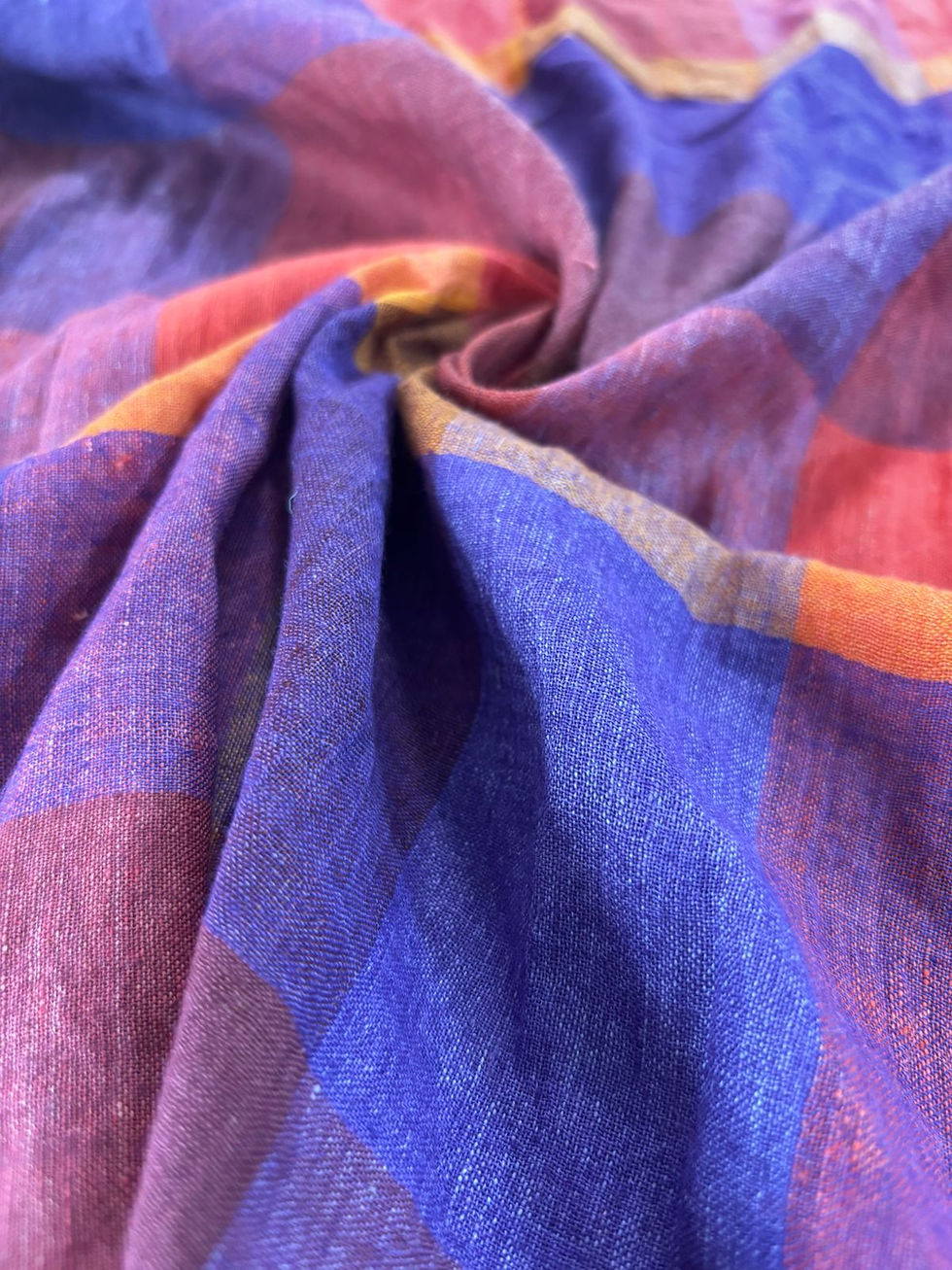
Organic cotton fabric showcasing natural texture and eco-friendly qualities
How to Source Eco-Friendly Fabrics for Your Brand
Sourcing eco-friendly fabrics requires a thoughtful approach that balances creativity, ethics, and business needs. Here are some actionable tips to guide us:
Build relationships with trusted suppliers
Partner with suppliers who prioritize sustainability and artisan craftsmanship. This connection fosters trust and ensures consistent quality.
Request fabric samples
Testing samples helps us assess texture, weight, and colourfastness before committing to larger orders.
Opt for low minimum order quantities
Small-batch production reduces waste and allows for experimentation with unique fabrics.
Explore local and regional options
Sourcing closer to home can reduce carbon footprint and support local economies.
Incorporate deadstock and upcycled fabrics
Using leftover or repurposed materials adds a story and reduces textile waste.
Communicate your values clearly
Share your commitment to sustainability with suppliers to align expectations and encourage responsible practices.
By following these steps, we not only find beautiful fabrics but also contribute to a more ethical and sustainable fashion ecosystem.
The Art of Choosing Fabrics That Tell a Story
Every fabric carries a narrative—of the land it grew on, the hands that wove it, and the traditions it embodies. When we choose fabrics thoughtfully, we honor these stories and invite our customers to connect with them.
For example, Indian artisan textiles like handwoven khadi or block-printed cotton reflect centuries of heritage and sustainable practices. Supporting such crafts preserves cultural identity and empowers artisan communities.
When sourcing, consider:
The origin of the fabric
The artisan techniques involved
The environmental impact of production
This approach enriches our collections with authenticity and meaning.

Traditional handloom weaving showcasing artisan craftsmanship and sustainable textile production
Navigating Challenges in Sustainable Fabric Sourcing
Sourcing sustainable fabrics is rewarding but not without challenges. We may face issues like limited availability, higher costs, or longer lead times. Here’s how we can navigate these hurdles:
Plan ahead: Early ordering helps accommodate longer production cycles.
Educate customers: Transparency about the value and story behind sustainable fabrics justifies pricing.
Collaborate with suppliers: Work together to find solutions that meet both sustainability and business goals.
Stay flexible: Be open to exploring new materials and innovative textile technologies.
By embracing these challenges with patience and creativity, we strengthen our commitment to responsible sourcing.
Growing Together Through Sustainable Choices
Our choices ripple beyond the fabric itself. By prioritizing sustainable fabric sourcing, we support a global movement toward ethical fashion and home textiles. This path nurtures artisan communities, reduces environmental harm, and inspires conscious consumption.
Let’s continue to seek out fabrics that align with our values, celebrate craftsmanship, and tell stories worth sharing. Together, we can weave a future where beauty and responsibility coexist in every thread.
Sourcing eco-friendly fabrics is a journey of discovery and dedication. It invites us to slow down, listen to the stories behind the textiles, and make choices that honor people and planet alike. As we grow our brands with intention, these fabrics become more than materials—they become the heart of our creations.


Comments