
The Soil, The Sky, and the Shirt: A Return to What Lasts
- Ghat Handmade
- 6 days ago
- 2 min read

There is a specific kind of silence in a hemp field just before harvest. Unlike the industrial hum of high-intensity farming, a hemp crop feels like a living, breathing ecosystem. It stands tall sometimes ten feet high filtering the air and anchoring the soil with roots that reach deep into the earth.
As we look at the landscape of fashion in 2026, it’s easy to get lost in the noise of "synthetic innovations" and "high-speed cycles." But the most radical shift we’ve made isn’t toward something brand new. It’s a return to a plant that has been waiting for us to notice it all along.

The Thirst of a Modern World
For decades, we’ve been told that fashion is a resource-heavy industry that to look good, we must take. We’ve grown accustomed to fabrics that demand thousands of gallons of diverted river water just to produce a single kilogram of fiber. We’ve accepted polyester, a material born in a lab from oil, which sheds invisible plastics every time it hits the wash.
But hemp offers a different deal. It is a crop that thrives on what the sky provides.
When you stand in a field of industrial hemp, you don't see the massive, energy-intensive irrigation systems required by conventional cotton. You see a plant that drinks the rain. It doesn't ask for a cocktail of synthetic pesticides or herbicides; it grows so densely and so quickly that it naturally outcompetes the weeds around it. It is a quiet rebel cleaning the CO2 from the atmosphere and leaving the ground healthier than it found it.

A Fabric That Learns Your Shape
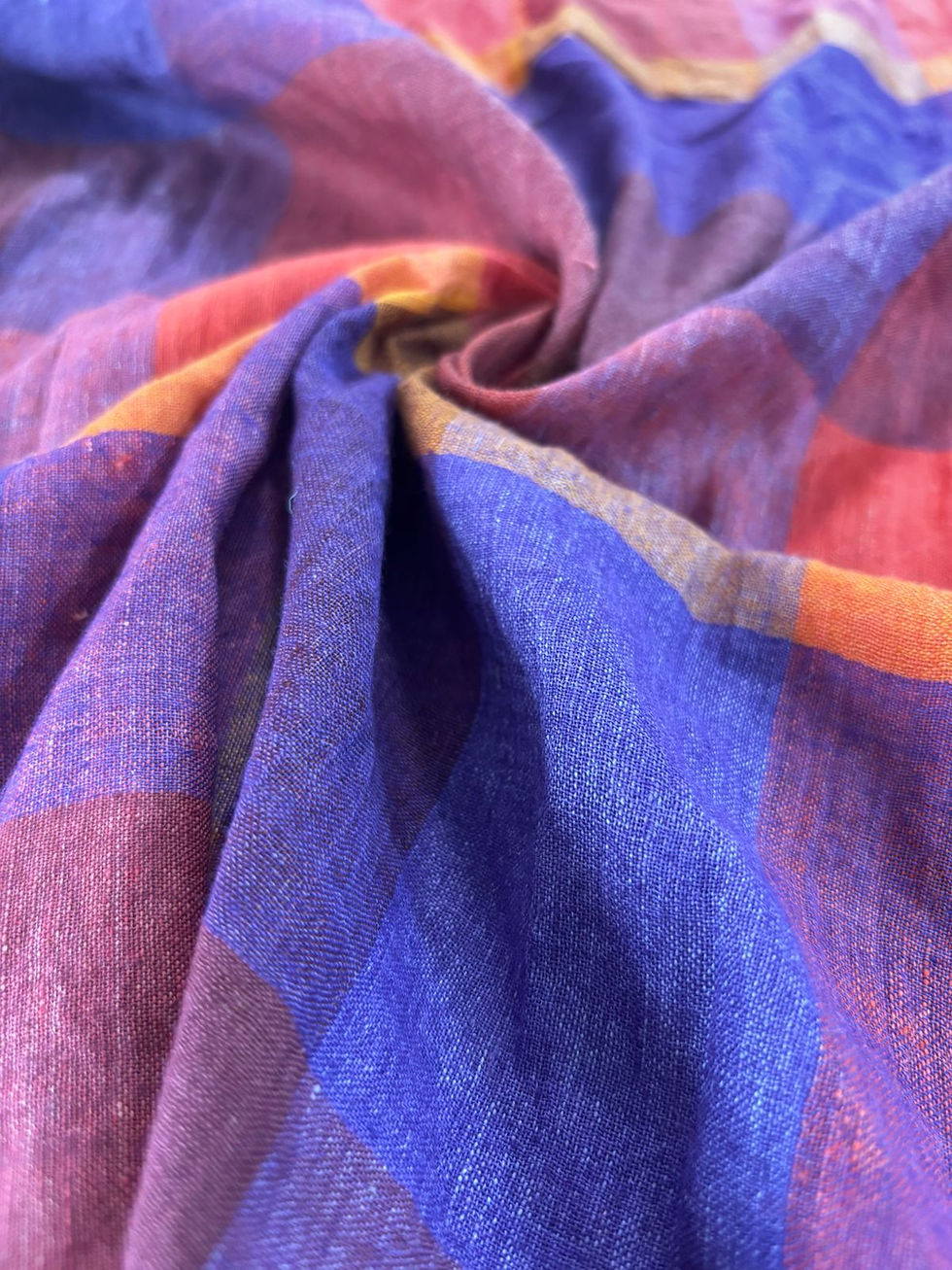
There is a beauty in hemp that isn't immediately obvious on a store shelf. To the touch, a fresh bolt of hemp linen feels substantial honest, grounded, and durable. But the real magic happens over the years, not the hours.
Most modern clothes are at their "best" the moment you buy them. From that first wash onward, they begin a slow decline pilling, thinning, and losing their silhouette. Hemp is the opposite. It is a "long-distance" textile.
Because it is one of the strongest natural fibers on the planet, it doesn't break down; it relaxes. It’s a fabric that remembers the way you move. A hemp shirt you wear today will be softer in 2029 than it is right now. It adapts to your body, becoming a second skin that breathes when it’s hot and insulates when it’s cool. It doesn’t just sit on you; it lives with you.
Choosing the Long View
In 2026, being "eco-conscious" isn't about following a fleeting trend. It’s about making a choice that lasts longer than a season. It’s about recognizing that the clothes we put on our backs have a history that starts in the soil and a future that shouldn't end in a landfill.
When we choose hemp, we are choosing to step out of the cycle of the "disposable." We are choosing a material that was grown by the rain, strengthened by the wind, and built to be passed down.
It’s a simple, ancient truth: the best things aren't made in a rush. They are grown.


Comments